Making the most of your child's education
Years ago, when I started out on my teaching career, I heard the phrase “education is not the filling of a pail but the lighting of a fire.” Although it has been attributed to the great Irish poet, W.B. Yeats, there’s actually no definitive proof that he ever said it. Either way, it doesn’t really matter because the sentiment in the words still rings true. The idea is a noble and honourable ambition; the purpose of education is not for the child to gather up bits and pieces of knowledge in a bucket to carry around, but rather they should gather the wood for the fire and play with matches! In the hope that the sparks develop into flames of real interest.
I suppose when I first heard this quotation, I was thinking of it solely in terms of how I approached my own lessons; how I wanted to develop as a teacher and ultimately what I wanted for my students when they passed through my classroom. Since then, the phrase has taken on an even deeper significance as I live through a new season of my life, having swapped the days in the classroom to be at home with my children. I read this quotation now through the lens of an educator, but more importantly as a parent.
The fresh start of a new school year
At this time of year, as I send my little people out the door with freshly sharpened pencils, I always feel a twinge of excitement at the possibility of a new start. No matter what age you are, I think that feeling of a ‘new school year’ never leaves you. In fact, I feel it more keenly now than ever when it’s my children embarking on their new learning adventures. Our children’s education isn’t just utilitarian - enough to get them a job and pay the bills – but it should help them to seek excellence; to know beauty, goodness and truth. When we’re rushing in the morning trying to help our children pull on uniforms, brush teeth and comb their hair, it’s very hard to hold onto that vision. Very often, we just need to get them out the door! We don’t always imagine them as adults that know their place in the world, who have developed their character and matured in virtue but ultimately that’s what we’re raising. So, what can we do as parents to make sure that our children aren’t simply filling the buckets but sparking real fires?
Make the effort to find out what they’re doing
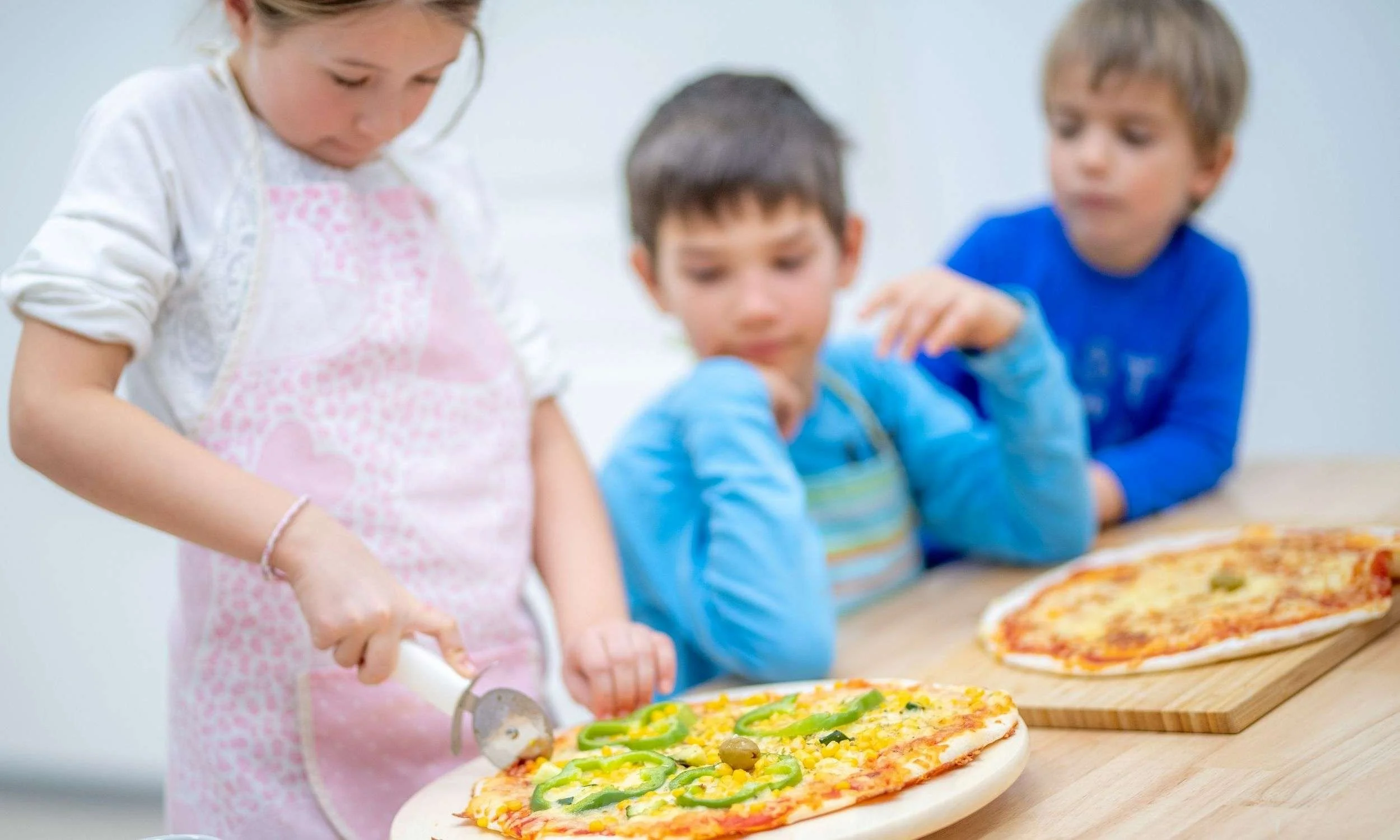
Very often, schools send out overviews of curriculums but if not, ask, so you can find out what they’re learning and doing in school. Can you use this to help them find real life links and make their learning practical and relevant for everyday life? Very often, it can be simple things – dividing pizza slices to help with fractions, letting them buy something at the shop to learn about money and coins. If they are studying a particular topic, can you get a book from the library on it? Or read another book by the same author as their reading book? Perhaps watch a video tutorial by an artist or visit an exhibition at a gallery or museum? There is a wealth of great material out there to take advantage of.
What areas can you help with supplies and opportunities?
If your child shows a genuine interest in something and it’s worth cultivating that interest, then help them along by investing in good quality materials, tools or equipment. We all know how frustrating it is to have an appliance that doesn’t quite fit the purpose or to have bought something only for it to break after a few uses. Try to find the best you can afford within your family budget and within reason of course – I’m not suggesting for a second that you should buy a baby grand as soon as they learn to tinkle out chopsticks on the piano! However, it has been the experience in our family that quality materials last much longer and engage interest for much longer too.
Encourage a sense of gratitude
In what ways can we help our children be grateful for their education and the opportunities they do have? I have often shared with my children about my experiences teaching in a slum area in Kolkata, India but we don’t even have to go anywhere near as far as India in order to witness situations of poverty and deprivation. When our children are aware, always in an age-appropriate way, of how others in their own age group are lacking even basic materials to live, it can help them to appreciate just how fortunate they are, and in turn to help them understand the obligation they have not to squander their opportunities or fail to help others when they can.
Set an example yourself
Time is precious and it’s not always easy, but try to cultivate life-long learning for yourself. We all know the phrase every day is a school day! Children look to us parents as their model and guide and they absorb everything - more than we realise and perhaps at times, more than we would like! Speak positively about learning and education. When they see our excitement in a skill or a hobby, or an interest we are trying to cultivate, it resonates with them and shows them how much we value and appreciate the opportunity to learn, grow and develop – and that age is no limit!
This new school year, I’m getting ready to throw out that bucket mentality and invest in letting my children ‘play’ with matches. Here’s to letting the sparks fly!